Understanding Deep Cleaning in Gum Disease Treatment

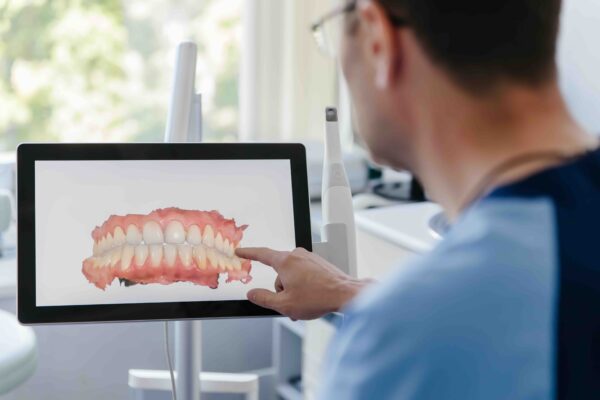

When a dentist or periodontist recommends a "deep cleaning," patients often hear the phrase and imagine an ordinary cleaning done with a little more effort. That is not what it is. In gum disease treatment, deep cleaning refers to a carefully targeted procedure designed to remove bacterial deposits and hardened calculus from below the gumline, where a regular cleaning cannot reach effectively. It is one of the most common first-line treatments for periodontal disease, and when used at the right time, it can make the difference between stabilizing the gums and watching the supporting bone slowly disappear.
The confusion is understandable. To many patients, all dental cleanings sound similar. Teeth are polished, tartar is removed, and the appointment ends with a reminder to floss. But once gum disease has progressed beyond mild gingivitis, the treatment goals change. The focus is no longer simply on keeping the teeth looking clean. It becomes a matter of controlling infection in the pockets between the teeth and gums, reducing inflammation, and preserving the structures that hold teeth in place.
Dentists usually call this process scaling and root planing. Patients usually call it deep cleaning. Both terms describe the same core idea, though "deep cleaning" is easier to understand in conversation. The treatment is common, but it should never be treated casually. It has a clear purpose, clear limits, and a very specific role in Gum Disease Treatment.
Why standard cleaning is sometimes not enough
A routine dental cleaning is meant for patients whose gums are generally healthy or who have only mild, reversible inflammation. During that visit, the hygienist removes plaque and calculus from the visible parts of the teeth and slightly under the gumline. For many people, that is enough to maintain oral health.
Once periodontal pockets deepen, though, the situation changes. Bacteria do not just sit on the exposed tooth surface. They settle into protected spaces below the gums, where oxygen levels are low and destructive bacteria thrive. Over time, the body reacts with chronic inflammation. The gums may bleed, swell, recede, or feel tender. The supporting bone can begin to shrink. At that stage, a regular cleaning is often too superficial to address the problem.
One practical way I explain this to patients is to compare it to cleaning a kitchen counter versus cleaning under a heavy appliance that has not been moved in years. The visible surface may look fine after a quick wipe, but the real problem sits in the hidden space where debris has accumulated and moisture has been trapped. Periodontal pockets create that kind of hidden environment.
This is also why patients are sometimes surprised when their insurance plan covers a regular cleaning at one rate but treats deep cleaning as a different procedure. Clinically, it is a different service with different goals, more time, and more technical difficulty.
What gum disease is doing beneath the surface
Gum disease usually starts with plaque, a sticky bacterial biofilm that constantly forms on the teeth. If plaque is not removed thoroughly, minerals in saliva can harden it into calculus, often called tartar. Calculus creates a rough surface that allows even more bacteria to attach. The gums become irritated and inflamed.
In the early phase, gingivitis, the damage is mostly limited to the soft tissue. Gums may bleed during brushing, look puffy, or feel sore. With good home care and routine professional cleaning, gingivitis can often be reversed.
Periodontitis is different. Once the inflammation begins to affect the deeper attachment between tooth and gum, the body starts to break down connective tissue and bone. The space around the tooth deepens into a pocket. These pockets are difficult, sometimes impossible, to keep clean at home with a toothbrush and floss alone. That is where deep cleaning comes in.
The goal is not to "cure" gum disease in a single visit. Periodontal disease is better understood as a chronic condition that can be controlled, stabilized, and monitored. Some patients respond beautifully to non-surgical treatment. Others improve only partially and need additional therapy. That distinction matters, because it keeps expectations realistic.
What happens during a deep cleaning
Scaling and root planing has two main parts. Scaling removes plaque and calculus from the tooth surface, especially below the gumline. Root planing smooths the root surface so the gum tissue has a better chance of reattaching and the bacterial buildup has fewer rough areas to cling to.
In most practices, treatment is done under local anesthesia or a strong topical and local combination, because the roots can be sensitive and the instruments need to reach deep below the gums. Depending on the severity and the number of areas involved, the mouth may be treated in sections, often one side at a time. That approach keeps the appointment manageable and allows the patient to chew more comfortably afterward.
The instruments may be hand scalers, ultrasonic devices, or a mix of both. Ultrasonic instruments vibrate rapidly and use water irrigation to help disrupt deposits and flush debris. Hand instruments allow the clinician to feel the root surface in detail and refine difficult areas. Good clinicians use both judgment and touch. Deep cleaning is not just about scraping hard enough. It is about removing diseased buildup thoroughly while preserving the tooth structure.
A typical appointment lasts longer than a regular cleaning. Mild cases may be handled in shorter visits. More advanced cases can take multiple appointments, especially if there is heavy calculus, deep pockets, or significant sensitivity. If someone has not had professional care in many years, the amount of buildup can be substantial. In those cases, it is better for the patient to hear that upfront than to expect a quick polish and leave frustrated.
How dentists decide you need it
The decision should not be based on appearance alone. Some patients have serious periodontal disease with very little pain. Others have gums that look mildly irritated but are still within a range that can be treated with routine cleaning and improved hygiene.
The most useful tools are the periodontal exam and dental radiographs. During the exam, the clinician measures the depth of the gum pockets around each tooth with a periodontal probe. Healthy pockets are usually shallow, often around 1 to 3 millimeters. Deeper readings, especially when combined with bleeding, bone loss on X-rays, gum recession, mobility, or visible calculus below the gums, point toward periodontal disease that may need scaling and root planing.
There is nuance here. A 4-millimeter area in a patient with no bleeding and excellent home care is not the same as multiple 5 to 7 millimeter pockets with heavy bleeding and bone loss. Good treatment planning depends on the full picture, not a single number.
What patients often feel during and after treatment
One of the biggest sources of anxiety is the fear that deep cleaning will be painful. In practice, the experience varies, but most patients do well when the area is properly numbed. Pressure, vibration, and water are common sensations. Sharp pain should not be. If a patient is struggling in the chair, the clinician needs to know. More anesthetic, slower instrumentation, or breaking treatment into smaller sections often solves the problem.
Afterward, some tenderness is normal. Gums may feel sore for a few days. Teeth can become more sensitive to cold, especially if inflammation had been masking exposed root surfaces. Mild bleeding with brushing can happen initially, but it should gradually decrease as the tissue settles.
Patients are often surprised by one visual change: their teeth may look a little longer afterward. That is not because the cleaning damaged the gums. It is because swollen tissue has reduced and the true contour of the gums is more visible. If calculus had been filling spaces under the gums, its removal can also make previously hidden recession easier to notice. This can be alarming if no one explains it in advance.
Here is what I usually tell patients to expect in the first week:
- Mild soreness or tenderness is common, especially in areas with more inflammation.
- Cold sensitivity may increase temporarily as the roots adjust.
- Light bleeding can occur with brushing, but it should lessen, not worsen.
- The gums may look less puffy within days, which is a sign the inflammation is dropping.
- Good home care during healing matters as much as the procedure itself.
That last point deserves emphasis. Deep cleaning does not replace brushing, flossing, interdental cleaning, or follow-up care. It creates a cleaner starting point. What happens afterward determines whether the disease stays controlled.
What deep cleaning can and cannot do
Deep cleaning is highly effective in the right cases, but it is not magic. It reduces bacterial load, removes deposits, decreases inflammation, and can help shrink periodontal pockets. In many patients with moderate disease, that alone is enough to stabilize the gums and avoid surgery, at least for a time.
It cannot regrow large amounts of lost bone in the way patients sometimes hope. It cannot guarantee that every pocket will fully resolve. It also cannot overcome poor home care, heavy smoking, uncontrolled diabetes, or inconsistent follow-up. Periodontal disease is influenced by biology and behavior. Treatment works best when both are addressed.
A realistic success story looks like this: bleeding decreases, pocket depths improve, gum tissue firms up, https://maps.app.goo.gl/eVMwJJ9yZvqnPZvx9 and the patient enters a periodontal maintenance schedule every three to four months instead of simply waiting six months for another routine cleaning. That is often a very good outcome.
A disappointing outcome usually has a pattern. Either the disease was too advanced for deep cleaning alone, or the factors driving inflammation never changed. I have seen patients with technically competent treatment continue to lose attachment because they smoked heavily, skipped maintenance visits, and brushed quickly once a day. The procedure was not the problem. The disease process simply outran the support plan.
The role of periodontal maintenance afterward
This is one of the most misunderstood parts of Gum Disease Treatment. Patients sometimes believe deep cleaning is a one-time reset after which they return to ordinary six-month cleanings forever. In reality, patients who have had periodontitis usually need a different recall pattern.
Periodontal maintenance visits are more frequent because the bacterial biofilm repopulates quickly in susceptible mouths. A person who has already shown bone loss and pocketing has demonstrated vulnerability. Waiting six months can be too long. Three-month intervals are common, though four-month schedules are used in some stable cases. The exact timing depends on pocket depth, bleeding, plaque control, medical history, and how the tissues respond over time.
Maintenance visits are not just "another cleaning." They involve re-evaluating gum health, monitoring pocket depths, removing recurrent deposits, and checking for areas that are breaking down again. Patients who stick to maintenance often do far better long term than those who disappear after the initial treatment.
When deep cleaning is not enough
Some patients improve significantly after scaling and root planing. Others improve partially. A few show minimal response. That does not mean the treatment failed. It may mean the disease was too advanced or too anatomically complex for non-surgical therapy alone.
Certain conditions make deeper intervention more likely. Furcation involvement, where bone loss affects the area between the roots of molars, can be difficult to clean thoroughly. Very deep pockets may not respond enough to permit long-term control. Irregular root anatomy can also make complete deposit removal challenging without surgical access.
If pockets remain deep and inflamed after healing, a periodontist may recommend additional treatment. That could include localized antibiotic therapy, laser-assisted approaches in select offices, or periodontal surgery to gain access for better cleaning and reshaping. Bone grafting or regenerative procedures may be appropriate in carefully chosen defects. These are not automatic next steps. They depend on the site, the severity, and whether the patient is likely to maintain the result.
Who tends to need deep cleaning more often
Periodontal disease does not affect everyone equally. Some people accumulate heavy calculus despite decent brushing. Others have minimal buildup but a strong inflammatory response. Genetics likely play a role, but so do age, habits, and overall health.
Several factors raise the likelihood that deep cleaning will be needed at some point:
- Smoking or vaping nicotine, which impairs blood flow and healing.
- Diabetes, especially when blood sugar is poorly controlled.
- Long gaps between professional cleanings.
- Crowded teeth, bridges, or restorations that trap plaque.
- Dry mouth, which reduces saliva's protective effect.
Hormonal changes, certain medications, chronic stress, and clenching can also complicate gum health, though they do not all lead directly to periodontitis. The point is not to make patients feel blamed. It is to recognize that oral disease rarely comes from a single cause.
Common myths that make treatment harder
One persistent myth is that if the gums do not hurt, nothing serious is happening. Periodontal disease often advances quietly. Bleeding, bad breath, and slight looseness may be the only signs for years. Pain tends to show up later or during flare-ups.
Another myth is that deep cleaning "loosens teeth." What patients sometimes notice is that teeth feel different after bulky calculus is removed. Before treatment, hardened tartar can act like a false brace around teeth that already have bone loss. Once it is gone, the true level of support becomes more apparent. The cleaning did not create the problem. It revealed it.
There is also the idea that mouthwash alone can treat gum disease. Antimicrobial rinses can help reduce bacteria, but they cannot remove calculus attached to the root surface. That requires professional instrumentation. No rinse, toothpaste, or home gadget can substitute for that once deposits are established below the gums.
Practical advice for recovery at home
The first few days after treatment are a good time to be gentle, not neglectful. Patients sometimes avoid brushing because the gums feel tender. That usually backfires. Plaque begins reforming within hours, and the healing tissue needs a clean environment.
Use a soft toothbrush and careful technique. If floss snaps painfully into sore areas, an interdental brush or water flosser may be easier for a few days, depending on the spaces between the teeth and the clinician's advice. Warm salt water rinses can be soothing. Some offices recommend a chlorhexidine rinse for short-term use in selected cases, though it is not necessary for everyone and can stain if used too long.
Food matters more than people expect. Crunchy chips, seeded bread, and spicy foods can irritate the tissue when the gums are raw. For a day or two, softer foods are usually more comfortable. Yogurt, eggs, pasta, fish, cooked vegetables, and soups tend to be well tolerated. Very hot drinks can aggravate tenderness if the area is still numb or sensitive.
If the office prescribed or suggested over-the-counter pain relief, follow that guidance rather than guessing. Patients who wait until they are quite uncomfortable often have a rougher evening than those who manage inflammation early.
Questions worth asking before treatment
A good deep cleaning appointment should not feel mysterious. Patients deserve to know what the findings were, how many areas will be treated, what kind of anesthesia is planned, and what follow-up will look like.
Useful questions include whether bone loss is already visible on X-rays, how deep the pockets are, whether antibiotics are being recommended and why, and when the gums will be re-measured. A re-evaluation visit is important because it shows whether the tissues are healing as expected. Without that checkpoint, it is difficult to know whether the infection is truly under control.
It is also reasonable to ask whether referral to a periodontist is appropriate. General dentists manage a large amount of Gum Disease Treatment very well, especially mild to moderate cases. But when disease is advanced, when mobility is increasing, or when surgical options may be needed, specialist input can be valuable.
The bigger picture in Gum Disease Treatment
Deep cleaning sits in the middle ground between prevention and surgery. It is more involved than a regular hygiene visit, but less invasive than periodontal surgery. That is exactly why it matters so much. It gives many patients a chance to interrupt disease progression before tooth support is lost beyond repair.
Its success depends on timing. Done too late, it may not be enough. Done when the disease first shows meaningful pocketing and subgingival calculus, it can stabilize the gums impressively. The procedure also has a diagnostic value. How the tissue responds tells the dental team a great deal about the severity of the disease and the patient's healing potential.
For patients, the most important shift is mental. Deep cleaning is not a punishment for poor brushing, and it is not a cosmetic upgrade. It is a medical response to a chronic bacterial infection affecting the structures that anchor the teeth. Once patients understand that, they usually approach treatment with less resentment and more purpose.
That change in perspective often leads to better outcomes. People keep maintenance appointments. They become more attentive to bleeding when they floss. They take smoking cessation advice more seriously. They start seeing the gums not as background tissue, but as active support structures that deserve the same care as the teeth themselves.
When that happens, deep cleaning becomes what it is meant to be, not an isolated procedure, but a turning point in long-term periodontal care.
Dental Group Of Beverly Hills
Address: 8641 Wilshire Blvd #125, Beverly Hills, CA 90211
Phone number: +13109296335
FAQ About Gum Disease Treatment
How to improve gum health quickly?
To improve gum health quickly, eliminate plaque buildup by brushing for two full minutes twice a day at a 45-degree angle to the gumline. Floss daily to clean under the gumline, and rinse with an antimicrobial, alcohol-free mouthwash. For immediate relief of soreness, use a warm saltwater rinse.
What is the fastest way to cure gum disease?
To quickly cure early-stage gum disease (gingivitis), eliminate the plaque buildup causing the inflammation. Brush gently but thoroughly for two minutes twice daily, floss daily, and use an antibacterial mouthwash or a warm saltwater rinse. However, if tartar has hardened, professional treatment is necessary.
How do I treat my gum disease at home?
You can treat early gum disease at home by practicing strict daily oral hygiene, rinsing with salt water or antibacterial mouthwash, and quitting smoking. True gum disease (especially advanced forms like periodontitis) cannot be fully cured at home once tartar forms, and you must see a dentist for professional cleanings.