Emergency Dentist Ventura for Quick Relief From Oral Swelling
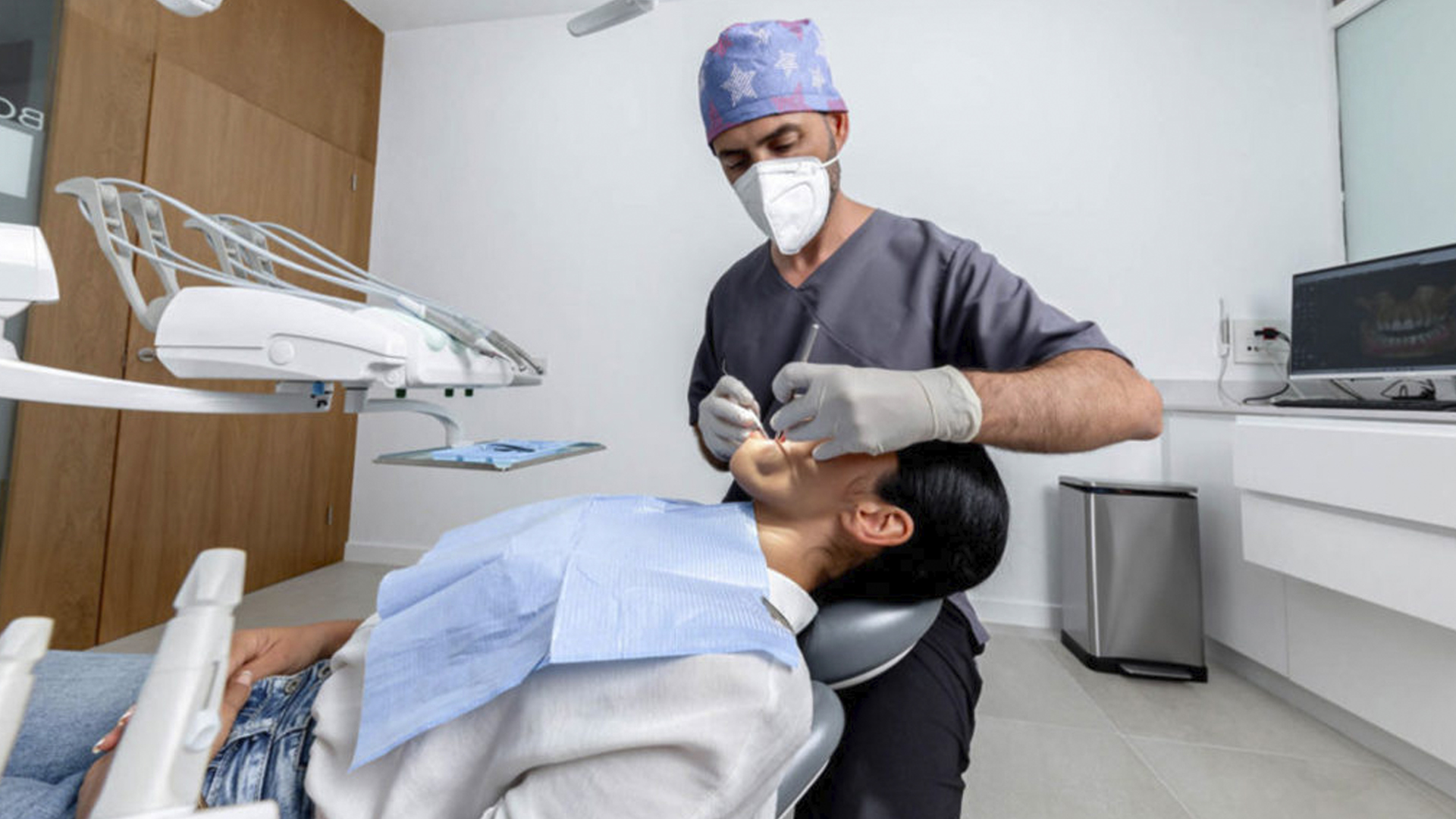


Oral swelling has a way of changing an ordinary day in a matter of hours. What starts as tenderness around a tooth can turn into a tight jaw, a puffy cheek, trouble chewing, and pain that seems to pulse with every heartbeat. For many patients, the first question is not whether they need care, but how fast they can get it. When swelling is involved, speed matters. An Emergency Dentist Ventura patients can reach quickly is often the difference between a manageable dental problem and a more serious infection that spreads and becomes harder to treat.
Swelling inside the mouth or around the face is not a diagnosis by itself. It is a signal. Sometimes the cause is relatively straightforward, such as food trapped under the gum near a partially erupted wisdom tooth. Other times it points to a deeper issue, like a dental abscess, advanced gum infection, trauma, or a failed restoration that allowed bacteria into the inner tooth. The visible puffiness on the outside often tells only part of the story. Underneath, pressure may be building in confined spaces where nerves, bone, and soft tissue do not tolerate infection well.
That is why swelling should not be treated like a problem that can always wait for a routine cleaning appointment next week. In practice, the cases that worsen fastest are often the ones patients tried to “watch for a day or two,” especially if the swelling came with heat, bad taste, fever, or pain when biting down. Ventura residents dealing with these symptoms usually need same-day guidance, and in many cases, same-day treatment.
Why oral swelling deserves urgent attention
Dental swelling can come from several sources, but infection sits near the top of the list. A cavity that reaches the nerve may allow bacteria into the pulp of the tooth. Once the nerve tissue is compromised, infection can move through https://israeloafy247.huicopper.com/what-to-know-about-emergency-dentist-ventura-for-first-time-patients the root tip into the surrounding bone. From there, the body responds with inflammation, pressure, and fluid buildup. That is when people often notice the face looking uneven in the mirror or feel a fullness in the gum that was not there the night before.
The reason dentists take this seriously is simple. The mouth is not isolated from the rest of the body. Infections in the teeth and gums can travel through tissue spaces, and certain patterns of swelling raise concern quickly. If swelling starts to affect swallowing, breathing, or the ability to open the mouth normally, the situation may be moving beyond a standard dental emergency into a medical one. In those moments, urgent medical evaluation is necessary.
Even when swelling does not appear dramatic, it can still indicate a significant problem. A small bump on the gum, often called a “pimple” by patients, may be draining an abscess. Ironically, that drainage can temporarily reduce pain, causing people to assume the problem is resolving on its own. It is not. The source of infection usually remains until the tooth is treated or removed.
One practical reality many people do not realize is that pain and swelling do not always rise together. Some patients have severe pain with almost no swelling. Others have obvious swelling with only moderate pain. The level of discomfort is not a reliable measure of how urgent the issue is. The pattern, location, and speed of onset matter more.
What an emergency dentist looks for first
When someone comes in with facial or gum swelling, the first task is not simply to stop the pain. A skilled emergency dental team starts by figuring out where the swelling is coming from and whether it is localized or spreading. That distinction changes treatment decisions immediately.
A localized swelling near one tooth may suggest an abscess related to decay, a cracked tooth, or a failed root canal. Swelling near the back gums could point to an inflamed flap of tissue around a wisdom tooth. Generalized swelling with bleeding gums may suggest advanced periodontal disease or irritation from something lodged beneath the gumline. Swelling after an injury creates another pathway of concern, especially if a fracture is involved.
During an emergency visit, the dentist typically examines the area, checks for drainage, evaluates gum pockets, taps the tooth to test for ligament inflammation, and asks specific questions about timing. X-rays are often essential. The patient may feel that the cheek is the problem, but the radiograph can reveal a root infection hidden beneath a crown or inside a tooth that looks relatively normal from the outside.
An experienced clinician also pays close attention to signs that suggest the case may require coordination with a physician or hospital. The degree of swelling, the patient’s temperature, any involvement under the tongue or in the neck, and the patient’s medical history all shape the decision. Someone with diabetes, a compromised immune system, or recent chemotherapy may need a more cautious approach because infections can progress faster and healing can be less predictable.
Common causes of sudden dental swelling
In Ventura emergency settings, a few patterns appear again and again. The most common is a tooth abscess. This often develops from untreated decay, but it can also follow an old filling that leaked, a crack that opened a pathway for bacteria, or trauma that killed the nerve months earlier. Patients are sometimes surprised to learn a tooth can lose vitality after an accident and not become painful until much later.
Gum infections are another frequent culprit. Food, tartar, and bacteria can settle deep below the gumline, especially in areas that are hard to clean or around older dental work that no longer fits as well as it should. The gum becomes red, puffy, and tender. In more advanced cases, pressure builds and pus collects. The swelling can be limited to the gum or expand into the cheek.
Wisdom teeth create their own category of emergencies. A partially erupted wisdom tooth often leaves a flap of gum tissue over the top. That flap can trap debris and bacteria, leading to painful inflammation known as pericoronitis. Patients often describe it as soreness in the back of the jaw that suddenly became severe, with bad taste, swelling, and discomfort when swallowing.
Not every case is infection. Trauma can cause considerable swelling, whether from sports injuries, falls, biting something unexpectedly hard, or nighttime grinding that cracked a cusp. Allergic reactions and salivary gland issues can also mimic dental swelling. This is one reason self-diagnosis over the internet often delays proper care. The same puffiness in the cheek can come from very different problems that require very different solutions.
Signs that should move you from waiting to acting
Some symptoms call for prompt dental attention, and a few mean you should seek emergency medical care without delay. The challenge is that people often normalize symptoms when they are busy, traveling, or trying to avoid a disruption in their schedule.
These are the warning signs that deserve immediate attention:
- Swelling that is getting worse over hours, especially if it extends into the cheek, jaw, eye area, or neck.
- Difficulty swallowing, breathing, or opening the mouth fully.
- Fever, chills, or a general sick feeling along with tooth or gum pain.
- A foul taste, pus drainage, or a visible bump on the gum near a painful tooth.
- Significant swelling after dental trauma, particularly if teeth feel loose or the bite has changed.
If swallowing or breathing feels compromised, that situation belongs in an emergency room first. Dental offices are equipped to manage many urgent conditions, but airway concerns require immediate medical support.
What quick relief really means in a dental emergency
Patients often call asking one question: “Can you stop the swelling today?” The honest answer is that relief usually begins the same day, but complete resolution depends on removing the cause. Swelling is a symptom of inflammation, pressure, or infection. Pain medication and antibiotics may reduce the immediate burden, but if the infected tooth remains untreated, the problem often returns.
In practical terms, quick relief may involve draining an abscess, adjusting the bite on a traumatized tooth, cleaning beneath inflamed gum tissue, or opening the tooth to relieve internal pressure. Sometimes the fastest path is root canal therapy. In other cases, extraction is the more predictable option, especially if the tooth is severely broken or the infection is extensive.
This is where judgment matters. Patients understandably want a simple fix, but every intervention has trade-offs. Saving a tooth through root canal treatment can preserve function and avoid shifting in the bite, yet it may not be the best choice if the tooth has poor long-term prognosis due to fracture or bone loss. Removing the tooth can eliminate the infection source quickly, but it leaves a gap that may later require an implant, bridge, or partial denture. A seasoned emergency dentist explains those options clearly while keeping the immediate goal front and center: control the infection and stabilize the patient.
Antibiotics also need perspective. They can be valuable when swelling is spreading, when there are systemic signs such as fever, or when the dentist needs to reduce active infection before a procedure. But antibiotics alone are rarely definitive treatment. If the source remains, symptoms often flare again. This is one of the most common frustrations in emergency care. A patient feels better for a few days after medication, then the swelling returns, often at a less convenient time.
What to expect during the visit
A true dental emergency appointment is usually more focused than a routine exam. The visit starts with targeted questions about when symptoms began, whether they are worsening, whether there is fever or drainage, and whether pain wakes you at night or spikes when lying down. Those details help narrow the likely cause.
The clinical exam follows, and imaging often comes next. Dental x-rays can reveal decay near the nerve, bone changes around root tips, impacted teeth, and periodontal defects. If swelling is significant, the dentist may gently palpate the area to determine whether it feels firm, diffuse, or fluctuant, meaning there may be fluid that can be drained.
Treatment varies according to the findings. A tooth with acute pulpal pressure may need access through the crown to release pressure and begin root canal therapy. A gum abscess may need irrigation and drainage. A wisdom tooth area may need cleaning beneath the tissue flap and medication to calm the infection before extraction planning. If a tooth is beyond repair, removal may be the most reliable way to stop repeated swelling episodes.
Patients are often relieved to hear that the first visit does not always need to complete every phase of care. In emergencies, the immediate priorities are diagnosis, pain control, reduction of swelling, and protection against worsening infection. Definitive restoration or follow-up treatment may be scheduled once the area settles.
What you can do before you are seen
Home care does not replace treatment, but it can help you get through the hours before your appointment more safely and with less discomfort. Rinsing gently with warm salt water may soothe irritated tissue and help keep the area cleaner. A cold compress on the outside of the face can reduce discomfort from swelling, particularly after trauma or in the early inflammatory stage. Over-the-counter pain relief may also help, if you are medically able to take it and follow the package directions.
There are also things worth avoiding. Heat on the outside of the face can sometimes intensify swelling. Pressing on the swollen area or trying to pop a gum bump usually makes matters worse. Starting leftover antibiotics from a previous illness can complicate diagnosis and may be the wrong medication or dose for the current problem.
If you are calling an Emergency Dentist Ventura office, be ready to describe the timeline, exact location, any fever, and whether you have trouble swallowing or opening your mouth. That information helps the staff judge urgency and direct you appropriately.
Ventura patients often ask whether swelling can wait until morning
Sometimes yes, sometimes no. This is where nuance matters. Mild gum irritation after food impaction, with no fever and no facial swelling, may be uncomfortable but not dangerous overnight. By contrast, a rapidly enlarging cheek, throbbing toothache, swollen lymph nodes, and fever should not be treated casually.
A memorable pattern in emergency dental care is the late-evening call from a patient who says, “It was just a little sore this morning.” Dental infections can escalate quickly because pressure inside the tooth and surrounding tissues builds over time. Once that pressure breaks into soft tissue spaces, visible swelling can appear fast. People are often surprised by how much change can happen between lunch and bedtime.
Children and older adults deserve special attention here. Children may not describe symptoms clearly, and swelling can alarm them quickly. Older adults, particularly those taking multiple medications or living with chronic conditions, may have more complicated healing or atypical symptom patterns. In both groups, sooner evaluation is usually wiser.
The value of prompt care goes beyond pain relief
Fast treatment is not only about comfort, though comfort matters. It can also preserve options. A tooth that might be saved on day one can become much harder to save after days of unchecked infection or fracture progression. The same is true for gum conditions. Early intervention can stop a localized infection before it compromises more surrounding tissue.
There is also a financial reality that patients appreciate once the immediate panic passes. Delays often make treatment more extensive. A smaller problem may require a limited procedure, while a postponed infection can lead to extraction, bone loss, multiple visits, or even medical intervention. Most dentists who handle emergencies regularly have seen this progression many times. The patient who hoped to avoid one visit sometimes ends up needing three.
For people with work obligations, family schedules, or travel plans, this matters. Quick evaluation gives you a clearer path. Instead of guessing whether you can push through, you get a professional assessment of what is safe, what is urgent, and what can reasonably wait.
How to choose the right emergency dental office
Not every dental practice manages urgent swelling the same way. Availability matters, but so does the ability to diagnose and intervene appropriately. A good emergency office can triage by phone, make room for same-day cases when necessary, and explain whether the patient should come in, go to urgent care, or head to the hospital.
Look for a practice that asks detailed questions rather than simply offering the next opening. Swelling cases require more than calendar space. They require judgment, imaging, and the ability to perform immediate procedures when indicated. Clear communication also matters. In a true emergency, patients need direct answers about the likely cause, the treatment options, the risks of waiting, and what symptoms should prompt a return call.
That is especially important if you are looking for an Emergency Dentist Ventura residents can rely on more than once. Dental emergencies rarely happen at convenient times, and trust grows when a practice responds with calm, practical guidance instead of vague reassurance.
After the emergency is controlled
Once the swelling starts to settle, the next phase becomes just as important as the first. The infection source needs definitive treatment, and the area should be re-evaluated to make sure healing is moving in the right direction. This may mean completing root canal therapy, placing a crown, extracting a non-restorable tooth, or addressing gum disease with deeper periodontal treatment.
Follow-up also allows the dentist to check whether the original diagnosis fully explains the symptoms. Most of the time it does, but persistent swelling after treatment deserves another look. Occasionally there are overlapping issues, such as a cracked root plus gum involvement, or a salivary gland problem that initially looked dental.
Patients should also take the opportunity to ask why the issue developed in the first place. Sometimes the answer is missed hygiene around a difficult area. Sometimes it is an aging filling, nighttime clenching, or a wisdom tooth that has repeatedly flared and now needs a permanent solution. Preventing a repeat episode is part of good emergency care, not an optional extra.
When relief cannot wait
Oral swelling tends to strip away denial. Eating hurts. Talking feels awkward. Sleep becomes difficult. The face may look different by the hour. These are not minor inconveniences when infection is in play. They are messages that the body is reacting to a problem that needs attention.
The right response is not panic, but prompt action. An experienced emergency dentist can identify the cause, reduce pain, manage swelling, and steer treatment in the safest direction. Whether the issue is an abscessed tooth, a wisdom tooth infection, inflamed gum tissue, or trauma, the faster it is evaluated, the better the odds of a smoother recovery.
For anyone searching for an Emergency Dentist Ventura provider because of sudden oral swelling, the priority is simple: get assessed before the situation escalates. Relief usually begins once the source is found. That first step, taken early, often makes all the difference.
Avra Dental
1708 S Victoria Ave B, Ventura, CA 93003, United States
Phone: +1 805-765-3206
FAQ About Emergency Dentist Ventura
Can the ER do anything for tooth pain?
An emergency department can assess serious symptoms and provide temporary relief, but definitive dental treatment usually requires a dentist. Trouble breathing or swallowing, uncontrolled bleeding, or swelling spreading into the neck requires emergency medical care.
What do I do if I have a dental emergency and no dentist?
Contact a local emergency dental practice promptly, explain your symptoms, and ask about the earliest available assessment. Avra Dental provides emergency dentistry in Ventura; call to confirm availability. If you have life-threatening symptoms or a serious facial injury, go to an emergency department or call 911.
What do I do if tooth pain is unbearable?
Seek urgent dental assessment rather than waiting for the pain to pass. While arranging care, gently rinse with warm water and avoid placing aspirin directly on the tooth or gums. Severe pain with trouble breathing or swallowing, rapidly spreading swelling, or uncontrolled bleeding needs immediate emergency medical care.